01Choose her
Start with the hull
Thirty-eight feet to eighty. Where you sail and who is aboard decides this, not the brochure.
See the fleet
One brand of catamaran, one part of the country, and buyers who intend to actually go somewhere.
Exclusive to Lagoon NewportSag HarborNew YorkAnnapolisHayes
Thirty-eight feet to eighty. Where you sail and who is aboard decides this, not the brochure.
See the fleetLayout, woods, upholstery, rig, energy, deck gear. Nine decisions, made before the hull is laid up.
Open the builderCommissioned in Newport, Sag Harbor or Hayes. We hand you the boat, not a folder.
How delivery worksMost people arrive knowing roughly what they want and completely unsure which version survives a real season. Our job is the second part — and occasionally it means telling you the smaller boat is the right one.
One range, known in depth. Which layout survives a season with kids aboard, and which option you'll regret skipping.
Build slots, option changes and delivery dates go straight to the yard — not through someone selling a different brand next week.
Commissioning, the first season, the first haul-out. Handover is where the work starts.
Specified before the hull is laid up — not retrofitted afterward.
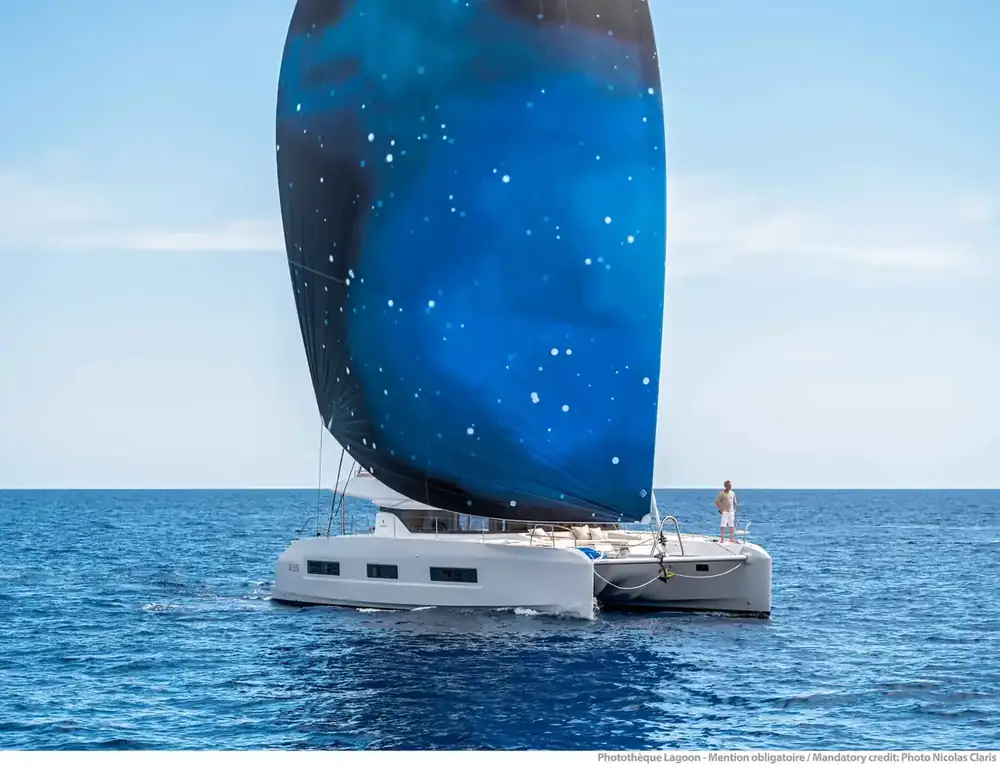
The Lagoon 43 sailing off Newport, filmed the week she arrived. No studio, no stand, no borrowed footage.
Forty years of building the world's most-chosen cruising catamaran, told by the yard itself.
Lagoon does not build a boat and then look for an owner. Every hull from the 38 to the EIGHTY 3 is drawn around how people actually live aboard — the galley where you would want it, the volume where you notice it, the systems that decide whether you can stay at anchor a week or a night. Signature's part is the rest of it: the delivery slot that lands before the season, the specification worked through choice by choice, and one team that still answers the phone in year five.
 Plays from YouTube
Over 7,000 catamarans in more than forty years. That scale is why parts turn up in the Caribbean, why the resale market is liquid, and why a surveyor in Newport already knows the hull before he steps aboard.
It also means the boats are drawn by people who have watched thousands of owners actually use them — VPLP for the naval architecture, Patrick le Quément for the exterior, Nauta for the interiors.
Why Lagoon →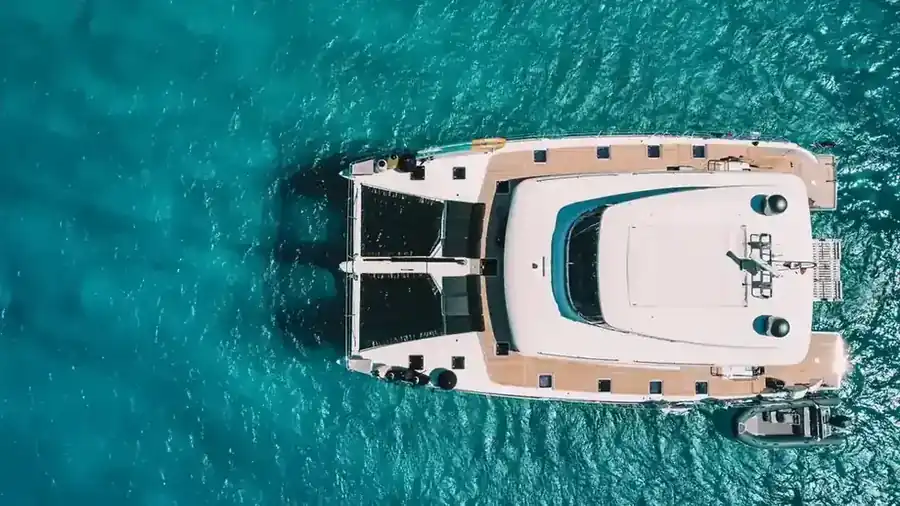
Most owners already know property can be depreciated. Very few know a qualifying boat may be too — and the conditions that decide it are worth understanding before you talk to your CPA, not after.
We set out the routes, and just as plainly the rules that disqualify people.
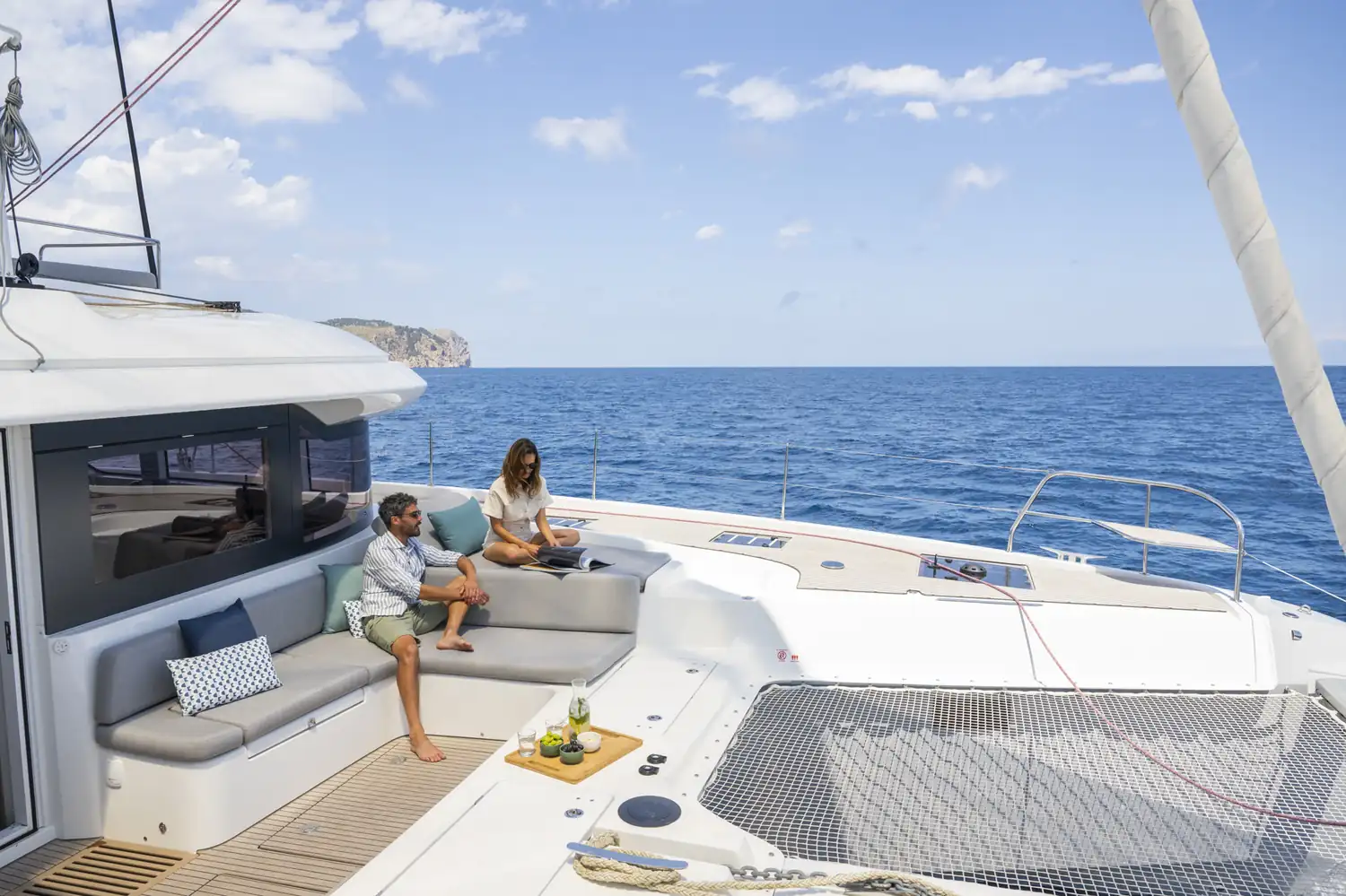
How ownership worksA catamaran is bought for the sailing and kept for the anchorage. Level decks, a cockpit that seats everybody at once, and cabins far enough apart that people still like each other on day nine.
Come see one in the water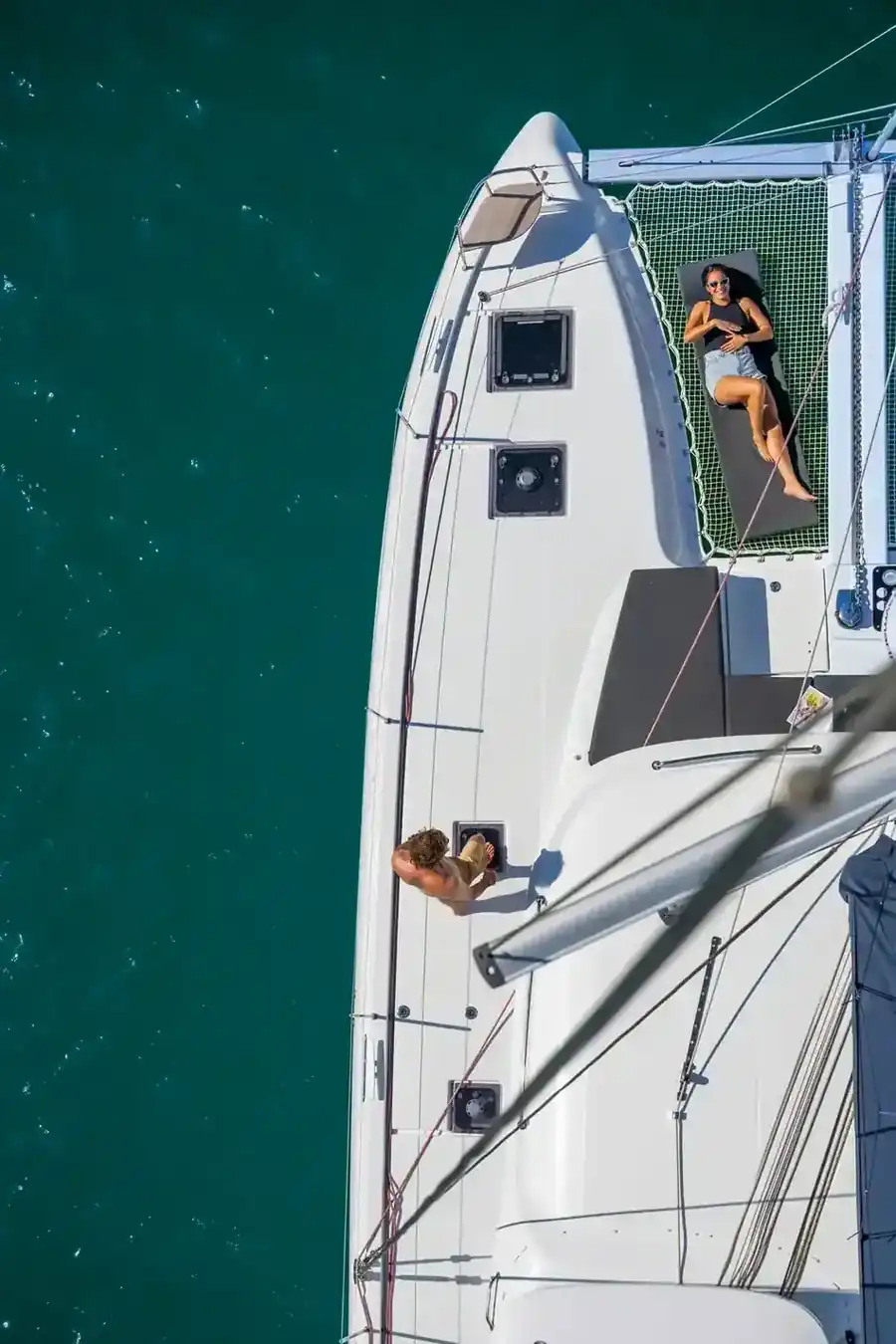
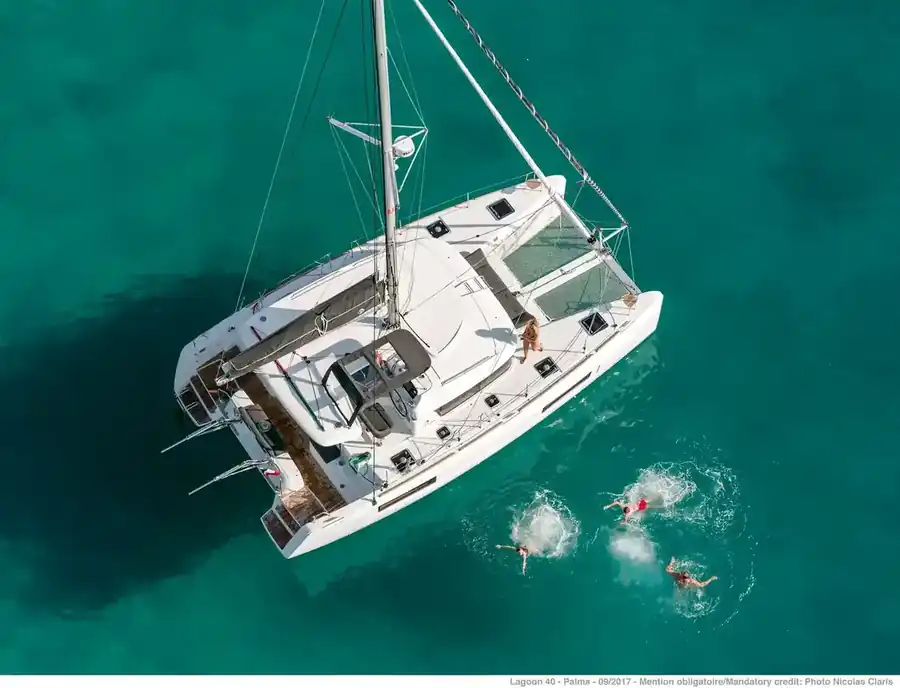


Six weeks, four harbours. Every one of these is a boat in the water rather than a stand — and the good viewing slots go before the doors open.
The rest of the conversation follows from that. No pressure, no obligation, and a straight answer about which boat fits.
Add Signature to your home screen
The fleet and your saved specs, one tap away.
We use essential cookies to make the site work. With your permission we would also use analytics and advertising cookies to understand how the site is used and to measure our advertising. You can change your mind at any time. Read our cookie policy.